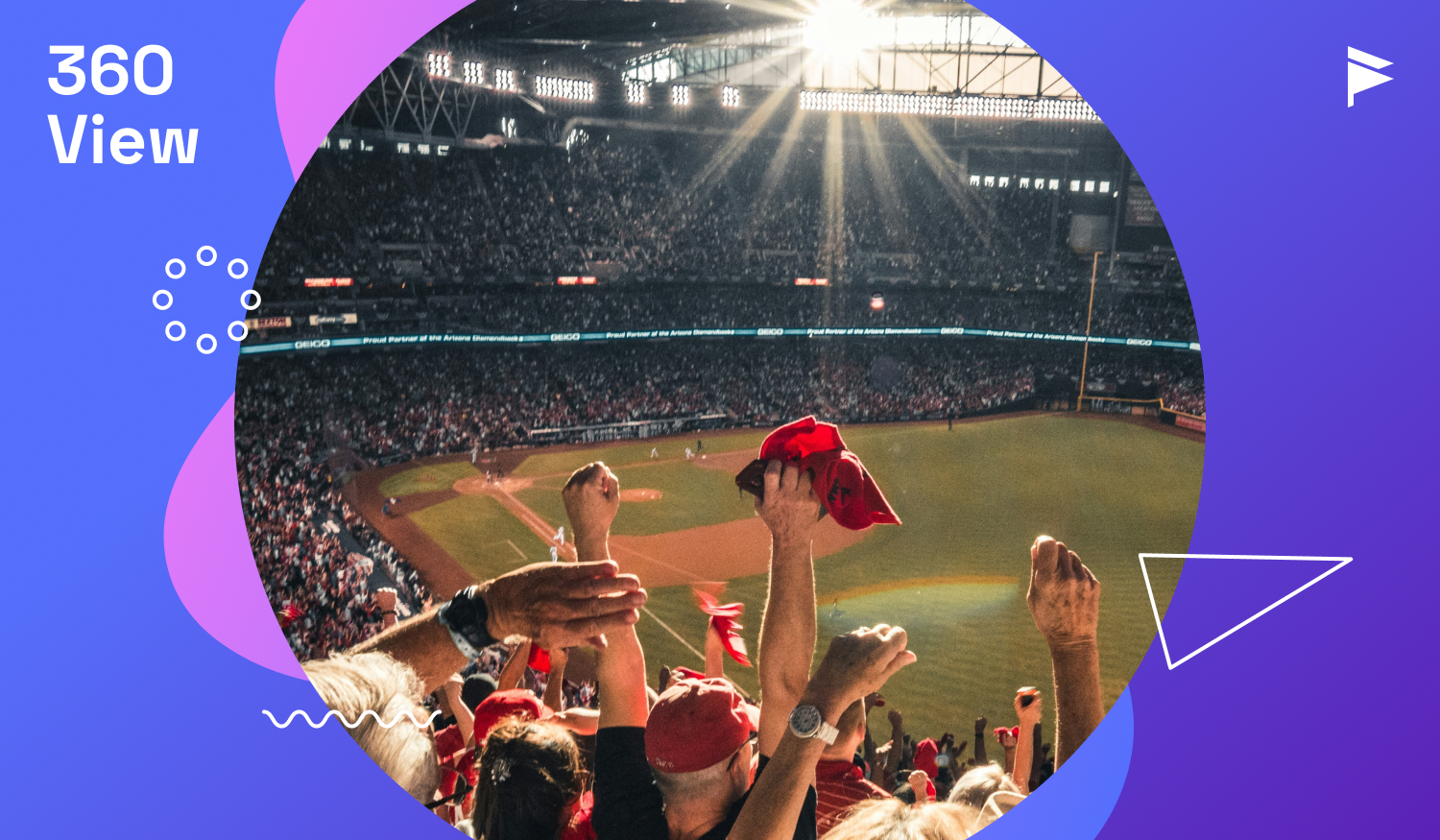
What you’ll learn from this blog: From the first ticket scan to the off-season, here is how to use segmentation, gamification, and data valuation to build a 365-day fan experience. Not long ago, fan engagement meant a mascot shooting t-shirts into the upper deck. Today, it is a complex, 365-day digital ecosystem.
Modern fans expect a personalized, seamless experience from the moment they purchase a ticket to long after they drive home from the venue. However, with so many communication channels available, email, SMS, mobile apps, and push notifications, the line between "highly engaging" and "highly annoying" is incredibly thin.
If you want to drive revenue without burning out your database, you need a strategy rooted in behavioral data. Here are the 12 rules of fan engagement, broken down across the three critical phases of the fan journey.
Phase 1: Before the Event (Anticipation & Preparation)
1. Stop the "Batch and Blast" (Audience Segmentation): Don’t treat a 10-year Season Ticket Member the same as a first-time single-game buyer. Your pre-game emails must be segmented based on purchase history, past behaviors, and demographic data. A VIP should receive an email about premium parking and club menus, while a first-timer should receive a venue map and a "Welcome" merchandise discount.
2. Win the Ghost Fan Before They Arrive (Data Capture): The person who bought the tickets is rarely the only person attending the event. If a fan buys four tickets, those other three people are "Ghost Fans"—invisible to your CRM. Use your pre-game email campaigns to encourage digital ticket transfers, or incentivize the main buyer to invite their friends to download your mobile app for easy mobile entry.
3. Gamify the Build-Up (Mobile App Activation): Don't wait until the gates open to drive traffic to your mobile app. Launch predictive games like "Guess the Starting Lineup," "Predict the First Song," or "Final Score Predictor" in your app 48 hours before the event. Capturing this early engagement data allows you to identify your most active digital users before they even park their cars.
4. Deliver the "Know Before You Go" (SMS Strategy): Fans want logistical information delivered quickly and directly. Because SMS boasts a 90%+ open rate, it should be reserved for your most crucial updates. Use texting for high-value operational info like parking lot changes, severe weather delays, or gate entry protocols. Keeping this channel highly functional establishes text messaging as a premium, helpful service rather than a marketing spam folder.
Phase 2: During the Event (Enhancement & Monetization)
5. Incentivize Identity Over Anonymity (Audience Capture): A fan walking around your concourse anonymously is a lost data point. You have a massive opportunity to capture lead data, but you have to offer immediate value in exchange for their identity. Require a quick email login for access to high-speed Wi-Fi, offer express mobile ordering for concessions through your app, or unlock exclusive merchandise drops for registered users.
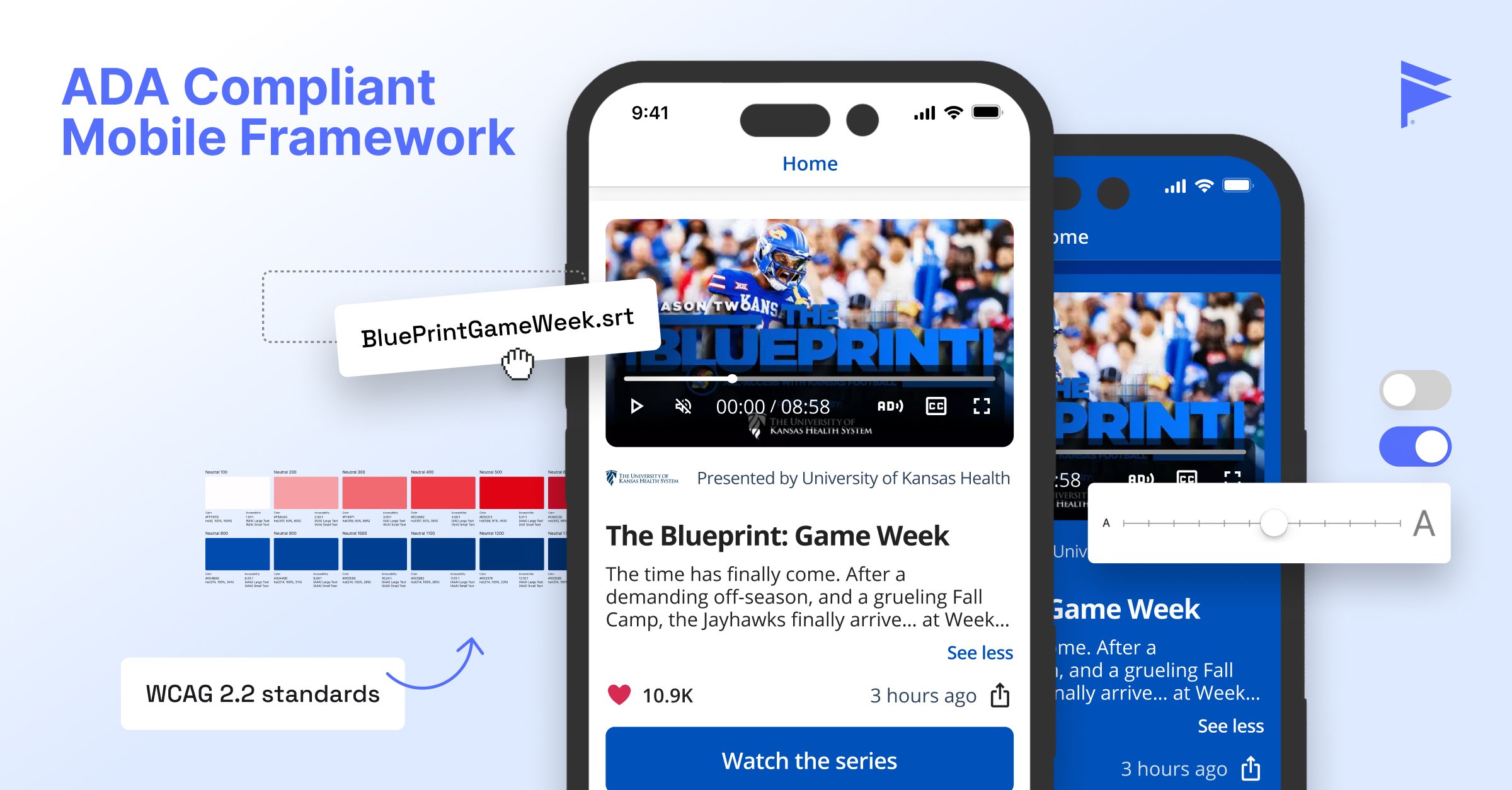
6. Monetize the Second Screen (Sponsor Activations): Fans are going to look at their phones during halftimes, set breaks, and timeouts. Capture their attention with interactive, sponsor-backed app activations. Run a live trivia contest presented by a local bank, or a "Fan of the Game" vote sponsored by a beverage partner. This transitions your sponsorships from static, unmeasurable billboards to dynamic lead-generation tools. Reminder to avoid these 4 mistakes on your mobile app.
7. Context is King (Location-Based Segmentation): Using mobile app geo-fencing, you can trigger targeted push notifications based on a fan's physical location inside the venue. If a fan lingers near the team store, automatically send a 10% off merchandise coupon. If they are sitting in the premium club level, highlight a high-end food or cocktail special. Right message, right place, right time.
8. Pace Your Communications (Omnichannel Balance): The fastest way to get a fan to delete your app or opt out of texts is over-communication during the event. Map out a coordinated, omnichannel strategy. If you send a push notification about a merchandise flash sale, do not send a text message and an email about the exact same thing five minutes later. Let your channels work together, not compete for attention.
Phase 3: After the Event (Retention & Valuation)
9. The 24-Hour Rule (Immediate Follow-Up): Send a segmented "Thank You" email within 24 hours of the event, but ensure the content is behavior-based. If they used mobile ordering, ask for a quick rating on the food. If you are a sports team and they just sat through a tough loss, adjust the tone, focus on the venue experience, the halftime show, or upcoming promotions rather than the outcome of the game.
10. Measure Behavior, Not Just Attendance (Campaign Valuation): To truly evaluate the ROI of your campaigns, look at the holistic behavioral data. Did the pre-game text message actually drive early arrivals? Did the app gamification increase dwell time in the concourse? Measure the per-capita revenue tied to your digital engagement, not just the amount of scanned tickets.
11. Close the Loop with Sales (Lead Generation): Your marketing activations should never exist in a vacuum; they must feed directly into your Sales CRM. If a fan downloaded the app, voted in three polls, bought a jersey, and attended a Tuesday night game, your CRM should automatically flag them. This provides your sales team with a "Hot Lead" and a customized script for a ticket package upgrade. Learn how University of Kansas generated $378k in revenue.
12. The Off-Season Isn't Off (Year-Round Engagement): Fan engagement shouldn't stop when the season ends or the tour packs up. If you go dark for six months, fans will delete your app to save phone storage. Use your email and mobile app channels to deliver exclusive off-season content, early access to next year's tickets, or birthday messages to maintain the relationship 365 days a year.
The Foundation: You Can't Do This With Siloed Data
Executing these 12 rules is impossible if your ticketing data, email platform, and mobile app are not communicating with one another. To trigger the right message at the right time, you need a Single Fan Profile, a centralized hub where all behavioral and transactional data lives.
Ready to stop guessing and start engaging? FanThreeSixty provides the industry-specific Fan Data Platform and Sales CRM required to execute a modern engagement strategy.

Check out the latest from FanThreeSixty